The Vibrant Beauty of the Himalayas
Buransh Flower
Buransh Flower
The Vibrant Beauty of the Himalayas
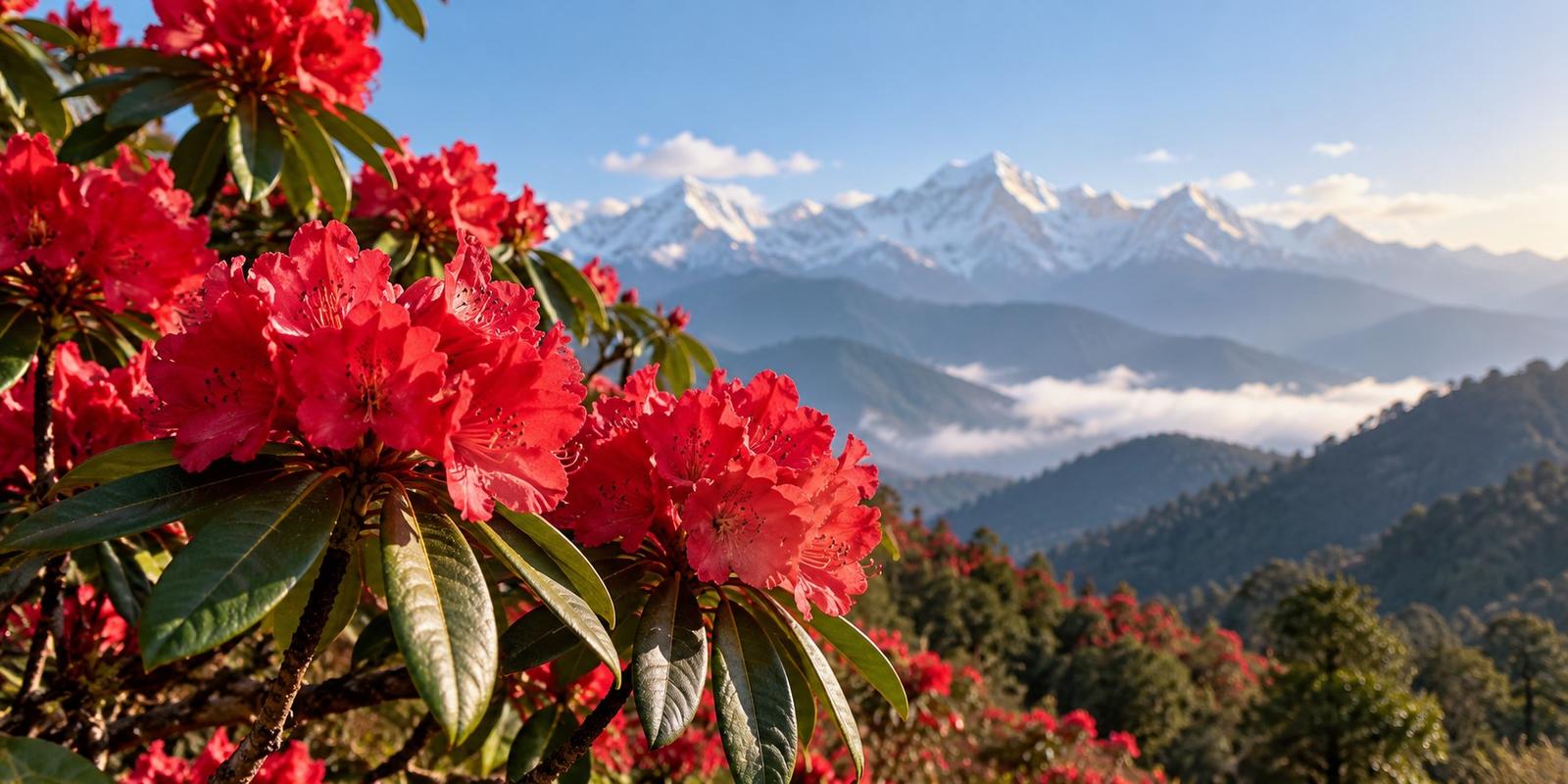
When spring arrives in the Himalayan hills, the forests of Uttarakhand begin to transform. Among the oak and pine trees, clusters of bright red flowers add a striking splash of colour to the mountains. This beautiful flower is Buransh, scientifically known as Rhododendron arboreum.
For the people of Uttarakhand, Buransh is much more than a beautiful Himalayan flower. It is deeply connected with the region's forests, culture, traditions and local livelihoods. The tree is officially recognized as the state tree of Uttarakhand.
What is Buransh?
Buransh is the commonly used name for Rhododendron arboreum, an evergreen tree belonging to the Ericaceae family. It is also known by names such as Burans, Buras and Barah-ke-phool in different Himalayan regions.
The tree can grow to considerable heights, although its appearance changes with altitude. It is commonly found in Himalayan forests between approximately 1,500 and 4,000 metres above sea level, depending on local conditions.
The most recognizable feature of Buransh is its spectacular cluster of flowers. The flowers are generally bright red, although pink and white forms also occur. Researchers have documented white-flowered variants of Rhododendron arboreum in parts of the Kumaon Himalaya.
When Does Buransh Bloom?
Buransh is one of the most beautiful signs of spring in the Himalayan mountains.
Its flowering period generally falls around March and April, although the exact timing can vary according to altitude, location and weather conditions.
At different elevations, the flowering landscape can look remarkably different. Lower and middle Himalayan forests may be filled with the familiar deep-red flowers, while higher areas can have pink or white varieties.
For travelers visiting Uttarakhand in spring, seeing Buransh-covered hills can be one of the most memorable experiences.
Why is Buransh Important to Uttarakhand?
Buransh has a special place in the identity of Uttarakhand. It is not simply a wild flowering tree but an important part of the Himalayan ecosystem and local culture.
The tree grows alongside species such as oak, pine and other Himalayan vegetation. It contributes to forest biodiversity and provides habitat and resources for various insects and birds. Rhododendron species are also considered important indicators of healthy mountain forest ecosystems.
The Uttarakhand Tourism Department also notes the ecological and cultural significance of Rhododendron arboreum and highlights concerns about habitat loss caused by activities such as agricultural expansion, logging and other forms of human disturbance.
Buransh and Traditional Drinks
One of the most famous associations with Buransh in Uttarakhand is its flower-based drink.
The flowers are traditionally processed to make Buransh squash or sharbat, a popular local beverage known for its distinctive colour and flavour. The drink has become closely associated with the Himalayan region and is also commercially produced.
Buransh flowers have also been explored for use in beverages such as rhododendron tea. The Uttarakhand Tea Development Board notes that rhododendron flowers can be used for blending with tea.
However, traditional use should not automatically be interpreted as proof of a medical treatment. While Buransh has a long history of local use, claims about treating specific diseases should be evaluated separately from traditional knowledge.
Is Buransh Good for Health?
Buransh has attracted considerable interest because of its traditional food and medicinal uses.
Different Himalayan communities have historically used parts of Rhododendron arboreum in traditional practices. The plant has also been the subject of research in areas including ethnobotany, phytochemistry and pharmacology.
However, it is important to distinguish traditional use from clinically established medical benefits. Buransh juice or sharbat should be enjoyed as a traditional beverage rather than considered a substitute for medical treatment.
Buransh in Himalayan Culture
For generations, Buransh has been woven into the everyday life of Himalayan communities.
Its arrival is closely associated with spring, and the bright flowers provide colour to landscapes that have spent months under the cold conditions of winter. In Uttarakhand, the flower is also associated with local food traditions, festivals and the cultural identity of the mountains.
The importance of Buransh extends beyond Uttarakhand as well. Rhododendron arboreum is recognized as the state tree of Uttarakhand, while it also holds official or cultural significance in other Himalayan regions.
Different Colours of Buransh
Although the bright red Buransh is the variety most people associate with the flower, it is not the only colour found in nature.
Depending on the variety and altitude, flowers may appear in red, pink and white.
The white-flowered form is particularly interesting because documented observations in the north-western Himalaya have been relatively limited. Researchers have recorded white-flowered Rhododendron arboreum specimens in the Kumaon region of Uttarakhand.
Buransh and the Himalayan Ecosystem
The beauty of Buransh is only one part of its importance.
Rhododendron forests contribute to the ecological balance of Himalayan landscapes. The trees form part of forest communities at different elevations and interact with numerous plants, insects and birds.
Because Himalayan ecosystems are particularly sensitive to environmental changes, protecting native vegetation such as Buransh is important for maintaining biodiversity.
Habitat destruction, forest degradation, agricultural expansion, excessive firewood collection and other human pressures can affect natural Buransh populations. Protecting its habitat therefore means protecting a small but important part of the Himalayan ecosystem.
Interesting Facts About Buransh
Here are some fascinating facts about this Himalayan tree:
Scientific name: Rhododendron arboreum
Family: Ericaceae
Common name: Buransh/Burans
State tree of: Uttarakhand
Typical habitat: Himalayan forests, broadly around 1,500–4,000 meters
Main flowering period: Around March–April
Flower colors: Commonly red, with pink and white forms also documented
Traditional use: Flowers are processed into local beverages such as Buransh squash and sharbat
Ecological importance: An important component of Himalayan forest ecosystems
Cultural importance: Closely associated with the landscape, traditions and identity of Himalayan communities
Best Time to See Buransh in Uttarakhand
If you want to see the Himalayan hills covered with Buransh flowers, spring is generally the best season.
March and April are particularly associated with Buransh flowering, although the exact timing can vary depending on elevation and weather conditions.
During this period, travelling through the hill regions can offer spectacular views of red Buransh blossoms against the green forests and distant Himalayan peaks.
For nature lovers, photographers and travellers, it is one of the most beautiful seasonal transformations in the Uttarakhand mountains.
Protecting the Buransh
The beauty of Buransh also reminds us of the importance of protecting Himalayan forests.
Climate variability, habitat fragmentation, forest fires, infrastructure development and other forms of human pressure can affect mountain ecosystems. Protecting native forests and encouraging responsible tourism can help preserve the natural habitats in which Buransh grows.
Rather than simply admiring Buransh as a beautiful flower, understanding its ecological role can help us appreciate why conserving Himalayan forests matters.
Conclusion
Buransh is more than a red flower blooming in the Himalayan spring.
It represents the colours, forests and traditions of Uttarakhand. From its striking blossoms and ecological importance to its traditional use in refreshing local drinks, Buransh has become an inseparable part of the cultural and natural landscape of the Himalayas.
When the red Buransh flowers begin appearing among the mountain forests, they announce the arrival of spring in one of India's most beautiful landscapes.
For anyone exploring Uttarakhand, witnessing a Buransh tree in full bloom is not just a botanical experience. it is a glimpse into the living beauty and heritage of the Himalayas.
More Stories from the Mountains
Journey deeper into the flavors, traditions, and wonders of the Himalayas.
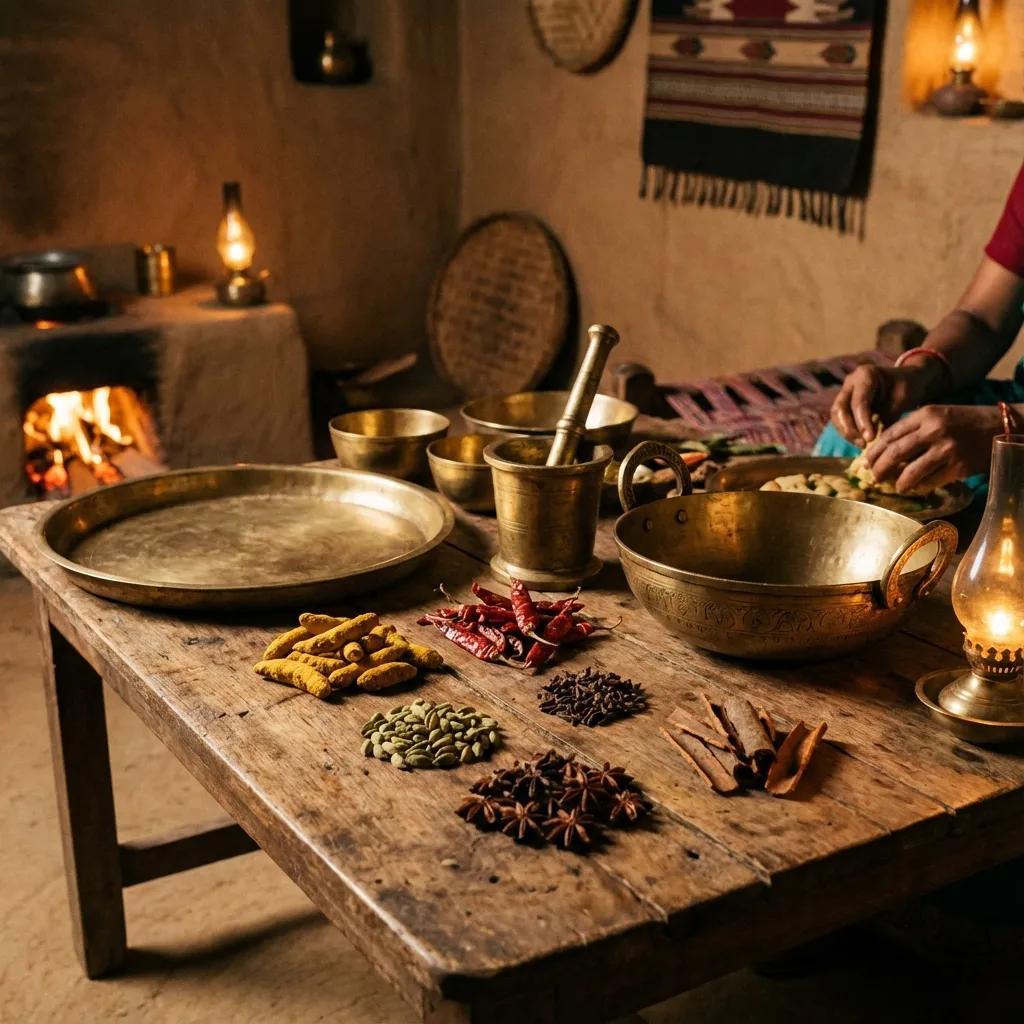
The Flavours of Uttarakhand: A Taste of the Himalayas
From aromatic spices to traditional recipes, Uttarakhand’s cuisine is rooted in simplicity, nature and generations-old traditions. Discover the authentic flavours that make Pahadi food truly special.
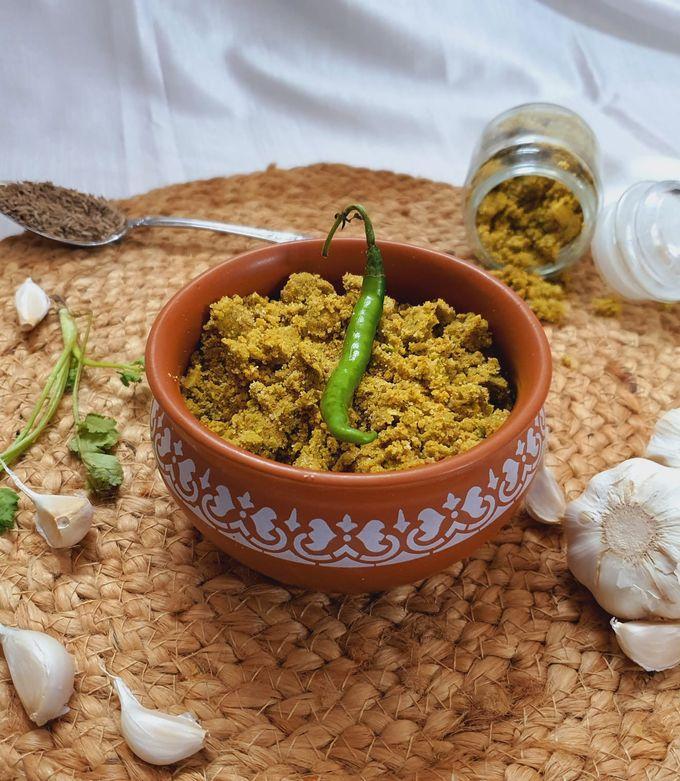
Pahadi Namak: The Traditional Taste of the Hills
A simple blend with a rich tradition, Pahadi Namak has been part of Himalayan kitchens for generations. Discover its unique taste and the story behind this beloved mountain staple.

Kumaoni Cuisine: Where Tradition Meets Taste
Simple ingredients, bold flavours and time-honoured recipes define Kumaoni cuisine. Take a journey through the traditional dishes and culinary traditions of Uttarakhand.